Teeth Grinding Treatment From a General Dentist
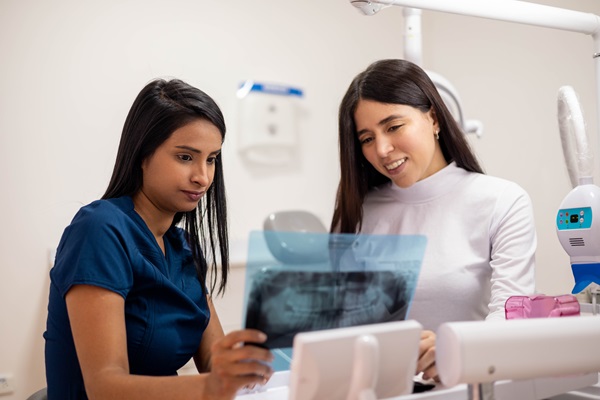
Our general dentist can help reduce the effects of teeth grinding, also known as bruxism. Most people who grind their teeth tend to be unaware of their habit because it mainly occurs during sleep. Grinding your teeth occasionally due to being anxious or stressed out typically does not cause noticeable damage to teeth, but doing it regularly can lead to teeth structures being worn down.
Signs that you might grind your teeth at night include headaches and a sore jaw. It is also a loud habit, so you might get complaints if you share a room with someone. Other symptoms of bruxism include:
- Stiff shoulders or neck
- Locked, tight, or tired jaw
- Earaches
- Gum and tooth sensitivity
- Fractured, chipped, or flattened teeth
- Soreness from biting into the cheeks
Getting bruxism treatment from a general dentist
Teeth grinding is considered to be an unconscious response to anxiety or stress. People who grind their teeth while awake often do so due to emotional or stressful situations. Some also grind their teeth when concentrating on a task.
Teeth grinding that occurs during sleep is more common than daytime bruxism. It is the body’s unconscious reaction to stress that has carried over from the person's awake state.
Risk factors that can trigger nighttime bruxism include the heavy consumption of caffeine, alcohol, or nicotine. Teeth grinding can also be caused by sleep disorders, like sleep apnea. Age is a risk factor because children are more likely to grind their teeth than adults. Most of them grow out of it by the time they reach adulthood, though.
A person’s personality type can also increase their risk of teeth grinding. For example, people with hyperactive, aggressive personalities are more likely to grind their teeth.
Treatment options
Our general dentist addresses teeth grinding by providing patients with a custom night guard that minimizes the forces placed on their teeth while grinding. These devices look like the mouthguards that athletes wear when playing contact sports.
The night guard is made from an impression created when the patient bites down on a mold. The impression is sent to a lab where technicians make oral appliances like nightguards. The process usually takes a couple of weeks.
Wearing a nightguard can significantly reduce the risk of the patient’s teeth being damaged due to teeth grinding. The dentist also helps by educating the patient on how habits like heavy caffeine, alcohol, and tobacco consumption can make teeth grinding worse.
The dentist might also show the patient relaxation techniques that they can perform before going to bed, to reduce any stress or anxiety that might be affecting their bruxism. Teeth grinding can be tricky to treat, but a nightguard can reduce its effects.
Frequently asked questions about teeth grinding
Here are the answers to frequently asked questions about teeth grinding, the damage that it causes, and how to reduce its effects.
How does bruxism start?
There are a several reasons that people grind their teeth. It could be due to stress, misaligned teeth, or sleep disorders. It can also be due to unresolved anger or emotional issues. Using recreational drugs can also lead to teeth grinding. If a patient thinks that they might be clenching or grinding their teeth, they should consult with a dentist to find out the cause.
What are common signs of brusixm?
The most common symptom of bruxism is waking up with a headache or sore jaw. The patient might also observe that their teeth feel more sensitive than usual. Teeth grinding can also damage teeth enamel, leading to issues like chipped and broken teeth. This increases a person’s risk of tooth decay because enamel protects the more sensitive layers of teeth.
What damage can teeth grinding cause?
Over time, tooth grinding can damage the teeth and lead to tooth decay. It can also cause headaches, jaw pain, and earache. Bruxism wears down the teeth over time, and it can flatten their biting surfaces, hindering one's ability to grind down food.
How can I stop grinding my teeth?
An effective way for a patient to stop grinding their teeth is for them to see a dentist or another healthcare professional, who can help determine the cause of the patient's tooth grinding and offer treatment options. In the meantime, patients should try to avoid chewing on hard objects (like ice or candy) and relax their jaw when they're feeling stressed.
Explore teeth grinding treatment options
Our general dentist can help minimize the effects of teeth grinding by providing you with a custom nightguard. Call or visit our Santa Monica clinic to set up an appointment with our dentist.
Request an appointment here: https://www.pacificviewsmilecenter.com or call Pacific View Smile Center at (310) 304-1854 for an appointment in our Santa Monica office.
Check out what others are saying about our dental services on Yelp: General Dentist in Santa Monica, CA.
Related Posts
A general dentist relies on digital X-rays as a critical diagnostic tool to evaluate oral health, detect issues early, and guide treatment decisions. These high-resolution images offer detailed insight into structures not visible during a routine visual exam, making them essential for both preventive and restorative care. Digital X-rays are safer, faster, and more comfortable…
General dentist visits for a dental crown become essential when tooth strength, shape, or appearance requires reliable reinforcement. A crown covers the visible portion of a tooth, allowing comfortable chewing and healthy smiles. Patients who track warning signs and pursue prompt evaluation limit further damage and simplify treatment. A short appointment for assessment determines whether…
General dentists are key in diagnosing and restoring comfortable function in cracked teeth. Cracked teeth can arise from hard foods, teeth grinding, decay, or unexpected impact, yet prompt evaluation helps prevent deeper infection and structural loss. Exploring how a general dentist detects, treats, and monitors cracked teeth can help prepare you for what is to…
Visiting a general dentist for routine check-ups is an important part of maintaining optimal oral health. During these visits, patients have the opportunity to ask questions and gain insights into their dental care. Preparing with thoughtful questions helps ensure that all concerns are addressed and that you understand the most effective practice for maintaining a…